Vehicle
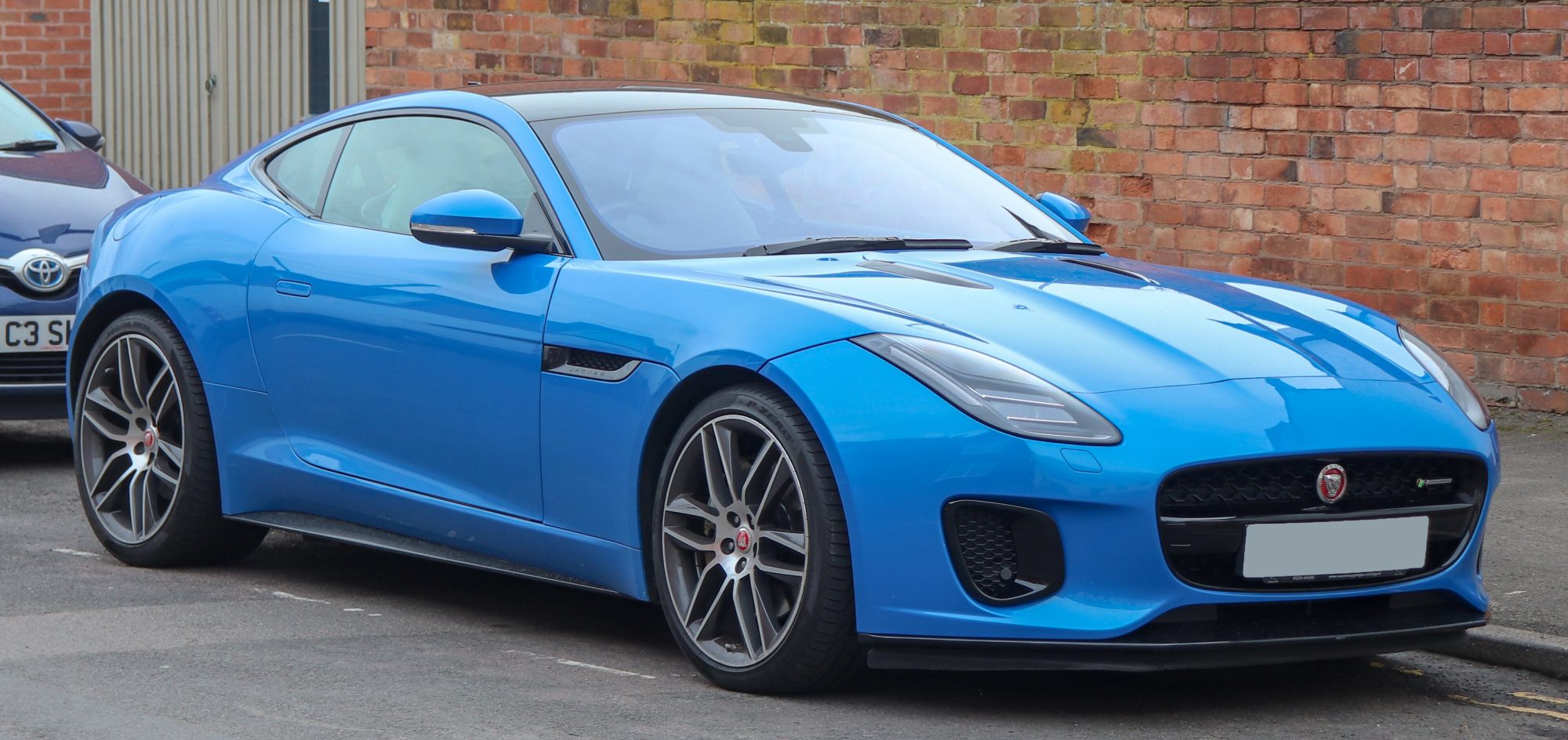
Jaguar F-Type
The two-seat sports car, on a shortened version of the XK's aluminium platform. Supercharged V6 and V8 power, with an Ingenium four at the bottom of the range late in its life — three quite different engines under one nameplate.

Generations
-
X152 2013–2024
Supercharged V6 and V8, with an Ingenium four at the bottom late in life — three quite different engines under one nameplate.
- Body styles
- Coupé · Convertible
- Platform
- Jaguar D6a
- Engines
-
- 2.0 turbo — petrol · 221 kW (296 hp) · 400 Nm (295 lb-ft)
- 3.0 supercharged V6 — AJ126 · petrol · 250–294 kW (335–394 hp) · 450–460 Nm (332–339 lb-ft)
- 5.0 supercharged V8 — AJ133 · petrol · 331–423 kW (444–567 hp) · 580–680 Nm (428–502 lb-ft)
- Transmissions
- 6-speed ZF S6-45 manual · 8-speed ZF 8HP automatic
- Drivetrain
- Rear-wheel drive · Four-wheel drive
Information, not instruction
CarGeek is a reference, not a service manual. Its pages are written from public sources and from what other people have found, never from a manufacturer's own service information, so they can be wrong or incomplete for your particular vehicle. Some of what they describe carries real risk: high voltage, fuel under pressure, stored energy, hot and moving parts.
Have anything you intend to act on checked by a trained person against the manufacturer's own procedure for your vehicle. Nothing here replaces that procedure.
Posted about the Jaguar F-Type
Be the first to write this up
Nothing posted about this yet. Whatever you found is worth writing down — even a dead end saves someone the same afternoon.
What makes one worth reading:
- The car — make, model, year and engine. The same fault behaves differently on each.
- What you measured, not only what you replaced.
- What actually fixed it — or that nothing did, which is worth knowing too.
Sign in or create an account to add what you found about Jaguar F-Type.