Vehicle
Tesla Model S
The large electric saloon, and the oldest electric car in this catalogue still in production — which makes its population the most useful one for age-related battery behaviour anywhere. Early cars carry a legacy 12-volt lead-acid battery whose failure produces symptoms across the whole vehicle, the same way it does on any car with many modules.
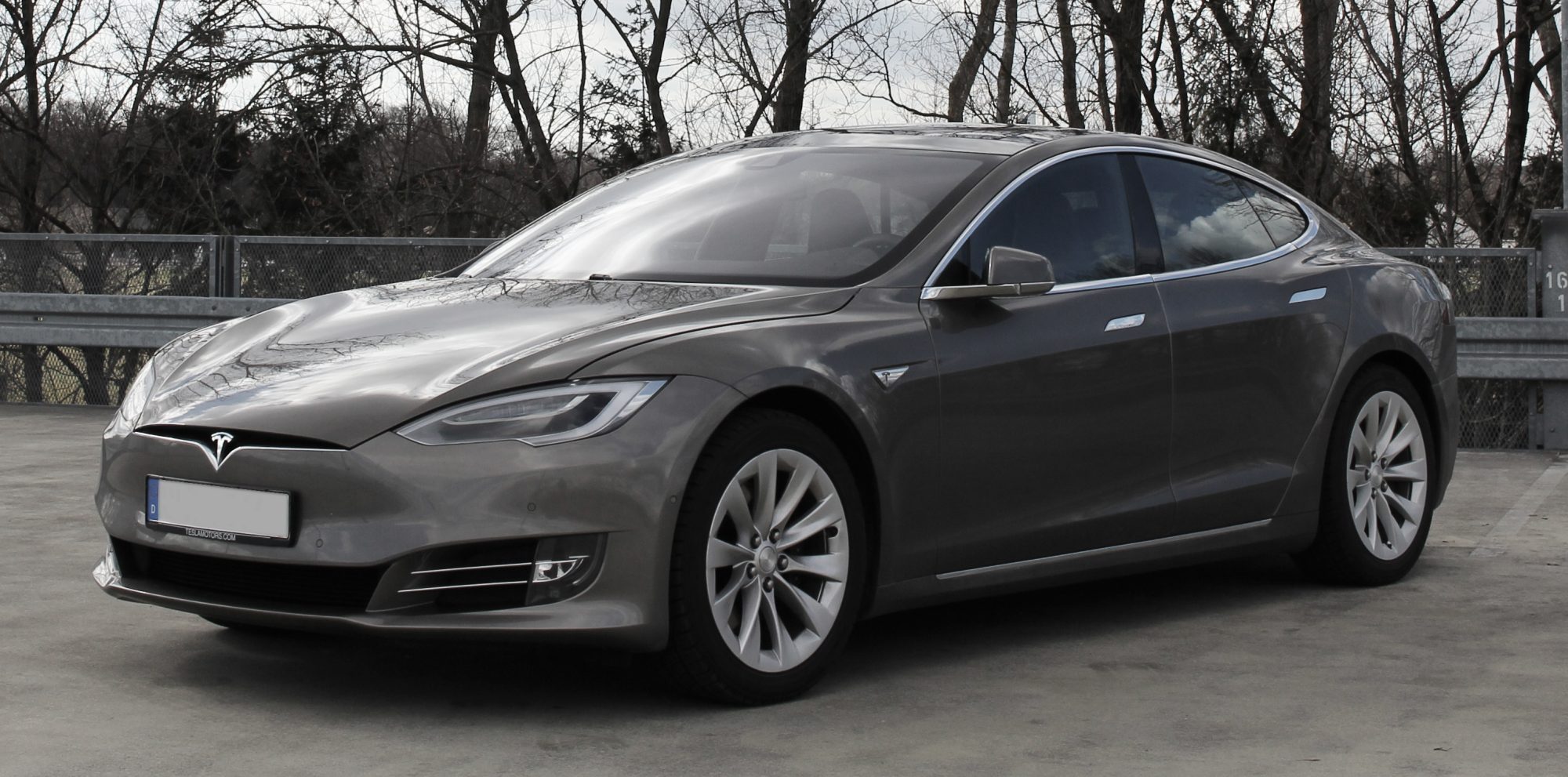
_(cropped).jpg)
Generations
-
First generation 2012–present
The oldest electric car here still in production, so its population is the most useful anywhere for age-related battery behaviour; early cars carry a legacy 12-volt lead-acid battery whose failure reaches the whole vehicle.
- Body styles
- Liftback
- Platform
- Tesla Model S
- Engines
-
- 75 kWh electric — electric
- 85 kWh electric — electric
- 100 kWh electric — electric
- Transmissions
- Single-speed reduction
- Drivetrain
- Rear-wheel drive · Four-wheel drive
Information, not instruction
CarGeek is a reference, not a service manual. Its pages are written from public sources and from what other people have found, never from a manufacturer's own service information, so they can be wrong or incomplete for your particular vehicle. Some of what they describe carries real risk: high voltage, fuel under pressure, stored energy, hot and moving parts.
Have anything you intend to act on checked by a trained person against the manufacturer's own procedure for your vehicle. Nothing here replaces that procedure.
Posted about the Tesla Model S
Be the first to write this up
Nothing posted about this yet. Whatever you found is worth writing down — even a dead end saves someone the same afternoon.
What makes one worth reading:
- The car — make, model, year and engine. The same fault behaves differently on each.
- What you measured, not only what you replaced.
- What actually fixed it — or that nothing did, which is worth knowing too.
Sign in or create an account to add what you found about Tesla Model S.