Vehicle
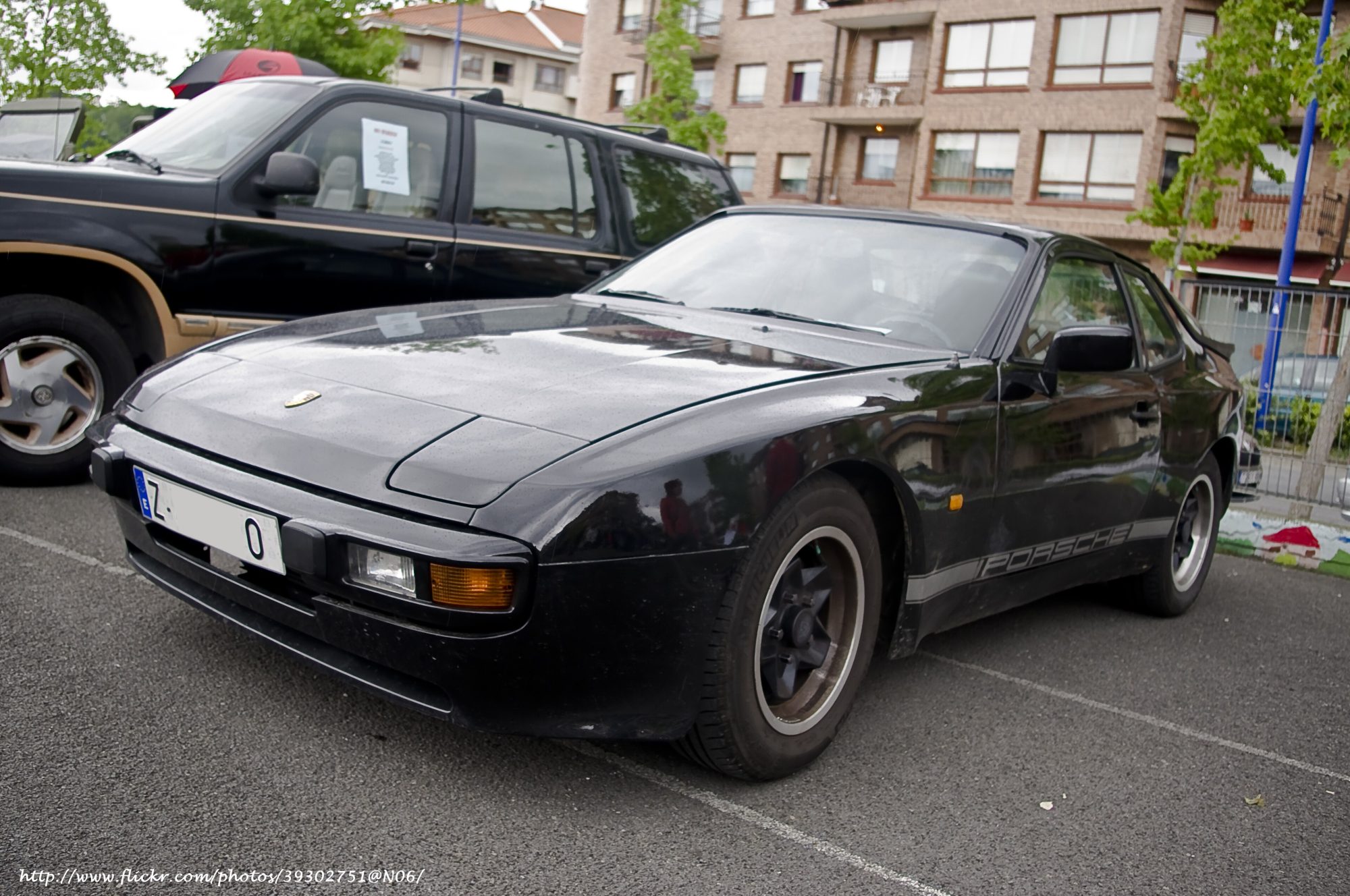
Porsche 944
The front-engined, water-cooled transaxle car, and almost nothing about it follows 911 practice — the engine is a large four-cylinder with balance shafts, the gearbox is at the back, and the two are joined by a torque tube. Diagnosis is dominated by one interval: the timing belt and the balance-shaft belts are driven together and the engine is an interference design, so a belt or a failed roller destroys it. Belt tension is a specified measurement, not a judgement. The DME relay is the classic no-start — a single relay feeding both the fuel pump and the injection system, and it fails intermittently with heat. The Turbo adds a boost-control system whose vacuum lines perish and read as a wastegate fault.
.jpg)
Generations
-
944 1982–1991
Front engine, rear transaxle; interference belt engine and the DME relay as the classic intermittent no-start.
- Body styles
- Coupé · Convertible
- Platform
- Porsche 944
- Engines
-
- 2.5 four-cylinder — M44 · petrol · 110–140 kW (148–188 hp)
- 2.5 turbo four-cylinder — petrol · 162–184 kW (217–247 hp) · 951 Turbo
- 2.7 four-cylinder — petrol · 121 kW (162 hp)
- 3.0 four-cylinder — petrol · 155 kW (208 hp) · S2
- Transmissions
- 5-speed manual · 3-speed automatic · 4-speed automatic
- Drivetrain
- Rear-wheel drive
Information, not instruction
CarGeek is a reference, not a service manual. Its pages are written from public sources and from what other people have found, never from a manufacturer's own service information, so they can be wrong or incomplete for your particular vehicle. Some of what they describe carries real risk: high voltage, fuel under pressure, stored energy, hot and moving parts.
Have anything you intend to act on checked by a trained person against the manufacturer's own procedure for your vehicle. Nothing here replaces that procedure.
Posted about the Porsche 944
Be the first to write this up
Nothing posted about this yet. Whatever you found is worth writing down — even a dead end saves someone the same afternoon.
What makes one worth reading:
- The car — make, model, year and engine. The same fault behaves differently on each.
- What you measured, not only what you replaced.
- What actually fixed it — or that nothing did, which is worth knowing too.
Sign in or create an account to add what you found about Porsche 944.