Vehicle
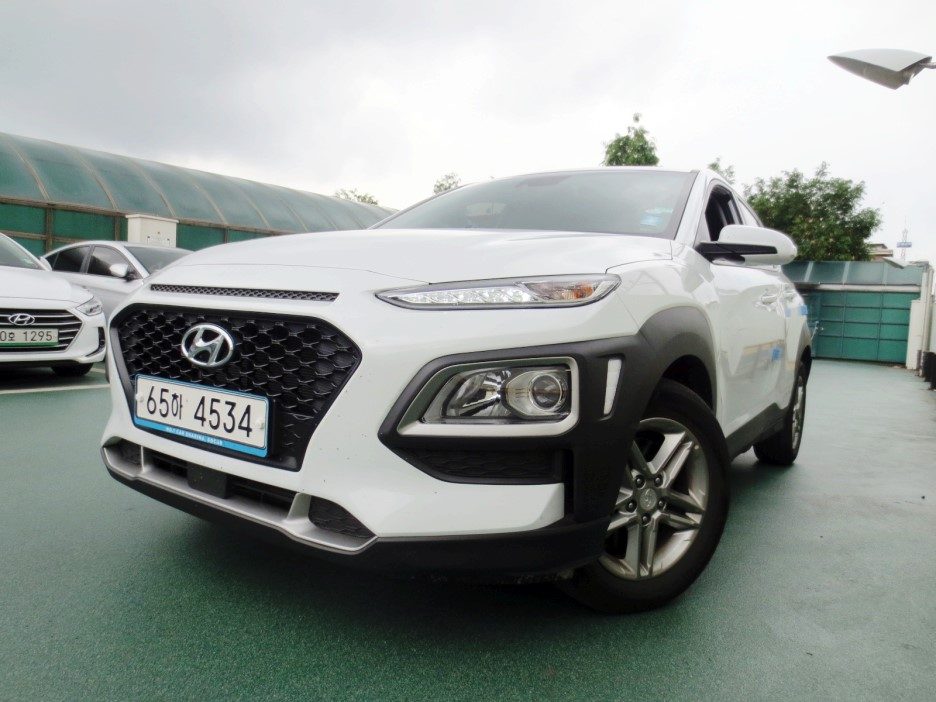
Hyundai Kona
The small crossover, sold as petrol, hybrid and battery electric on one body — and the electric is the one with a history worth knowing. The Kona Electric was subject to a global battery recall over cell defects that risked fire, with packs replaced and charging software limited in the interim, so a state-of-charge or charging-limit complaint on an early car may be the remedy rather than the fault. The petrol 1.6 turbo GDi uses a dual-clutch gearbox whose clutch-pack behaviour is the usual source of low-speed shift complaints.

Generations
-
OS 2017–2023
Petrol, hybrid and electric on one body; the electric's battery recall means a charging limit on an early car may be a remedy, not a fault.
- D6KF1 (6DCT) 6-speed dual-clutch
- D7UF1 (7DCT) 7-speed dual-clutch
- D8LF1 (8DCT) 8-speed dual-clutch
- Dual-clutch (DCT / DSG) dual-clutch
- Single-speed reduction gear (EV drive unit) reduction
- Body styles
- SUV
- Platform
- Hyundai K2
- Engines
-
- 1.0 turbo GDi three-cylinder — petrol · 88 kW (118 hp) · 172–200 Nm (127–148 lb-ft)
- 1.6 turbo GDi — petrol · 130–146 kW (174–196 hp) · 265 Nm (195 lb-ft)
- 2.0 Nu — petrol
- 1.6 GDi hybrid — hybrid · 104 kW (139 hp) · 265 Nm (195 lb-ft)
- 39.2 kWh electric — electric · 100 kW (134 hp) · 395 Nm (291 lb-ft)
- 64 kWh electric — electric · 150 kW (201 hp) · 395 Nm (291 lb-ft)
- 2.0 turbo — petrol · 206 kW (276 hp) · 392 Nm (289 lb-ft)
- 1.6 — diesel · 100 kW (134 hp) · 320 Nm (236 lb-ft)
- Transmissions
- 6-speed manual · Single-speed reduction · 6-speed A6F22 automatic · 6-speed D6KF1 DCT · 7-speed D7UF1 DCT · 8-speed D8LF1 DCT
- Drivetrain
- Front-wheel drive · Four-wheel drive
-
SX2 2023–present
Designed around the electric version first, so the petrol and hybrid cars share its packaging; the diesel is gone entirely.
- Body styles
- SUV
- Platform
- Hyundai-Kia K3
- Engines
-
- 1.0 turbo GDi — petrol · 74–88 kW (99–118 hp) · 172–200 Nm (127–148 lb-ft)
- 1.6 turbo GDi — petrol · 102–146 kW (137–196 hp) · 250–265 Nm (184–195 lb-ft)
- 2.0 MPi — petrol · 110 kW (148 hp) · 179 Nm (132 lb-ft) · North America and Korea
- 1.6 GDi hybrid — hybrid · 95–104 kW (127–139 hp) · 265 Nm (195 lb-ft)
- 48.4 kWh electric — electric · 99–115 kW (133–154 hp) · 255 Nm (188 lb-ft) · 48.6 kWh in some markets
- 65.4 kWh electric — electric · 150–160 kW (201–215 hp) · 255 Nm (188 lb-ft) · 64.8 kWh in some markets
- Transmissions
- 6-speed manual · 7-speed D7UF1 DCT · 8-speed automatic · CVT · Single-speed reduction
- Drivetrain
- Front-wheel drive · Four-wheel drive
Service information
Information, not instruction
CarGeek is a reference, not a service manual. Its pages are written from public sources and from what other people have found, never from a manufacturer's own service information, so they can be wrong or incomplete for your particular vehicle. Some of what they describe carries real risk: high voltage, fuel under pressure, stored energy, hot and moving parts.
Have anything you intend to act on checked by a trained person against the manufacturer's own procedure for your vehicle. Nothing here replaces that procedure.
Posted about the Hyundai Kona
Be the first to write this up
Nothing posted about this yet. Whatever you found is worth writing down — even a dead end saves someone the same afternoon.
What makes one worth reading:
- The car — make, model, year and engine. The same fault behaves differently on each.
- What you measured, not only what you replaced.
- What actually fixed it — or that nothing did, which is worth knowing too.
Sign in or create an account to add what you found about Hyundai Kona.