Vehicle
Mitsubishi Lancer
The compact saloon, produced for decades and sold in almost every market. Its later generations share the 4B1 engine family with the Outlander, so knowledge crosses between them; the turbocharged Evolution versions are a different car under the same name and are modified often enough that a boost or knock code on one is worth reading with that in mind.
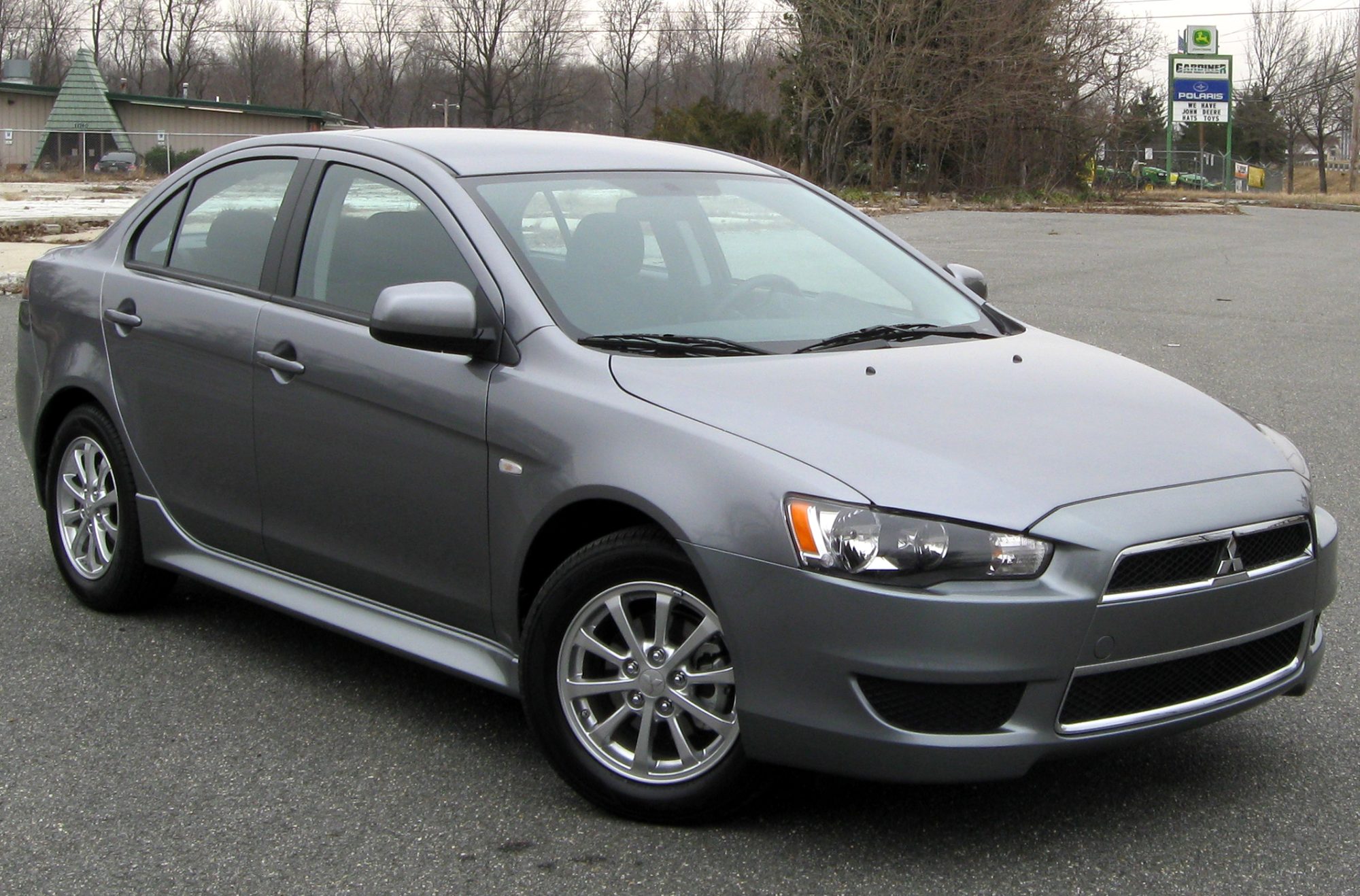

Generations
-
CS 2000–2007
4G-series engines; conventional and widely serviced.
- Body styles
- Sedan · Estate
- Platform
- Mitsubishi CS
- Engines
-
- 1.3 — 4G13 · petrol · 60 kW (80 hp) · 120 Nm (89 lb-ft)
- 1.6 — 4G18 · petrol · 72 kW (97 hp) · 150 Nm (111 lb-ft)
- 2.0 4G63 — 4G63 · petrol · 99 kW (133 hp) · 176 Nm (130 lb-ft)
- 2.0 turbo — 4G63 · petrol · Lancer Evolution
- 1.5 — 4G15 · petrol
- 1.8 — 4G93 · petrol · 74–103 kW (99–138 hp) · 154–174 Nm (114–128 lb-ft)
- 2.0 — 4G94 · petrol · 176 Nm (130 lb-ft)
- 2.4 — 4G69 · petrol · 100–121 kW (134–162 hp) · 200–220 Nm (148–162 lb-ft)
- Transmissions
- 5-speed manual · 6-speed manual · 4-speed automatic · 4-speed INVECS-II automatic
- Drivetrain
- Front-wheel drive · Four-wheel drive
-
CY 2007–2017
4B1-series petrols and a long production run in emerging markets, with the CVT at volume.
- Belt CVT (continuously variable) CVT
- Dual-clutch (DCT / DSG) dual-clutch
- Jatco JF015E CVT
- TC-SST 6-speed dual-clutch
- Body styles
- Sedan · Hatchback
- Platform
- Mitsubishi GS
- Engines
-
- 1.5 — 4A91 · petrol
- 1.6 — 4A92 · petrol · 85–86 kW (114–115 hp)
- 1.8 4B10 — 4B10 · petrol · 103–105 kW (138–141 hp)
- 2.0 — 4B11 · petrol · 177–217 kW (237–291 hp)
- 2.4 — 4B12 · petrol · 125 kW (168 hp) · 226 Nm (167 lb-ft)
- 2.0 turbo — 4B11T · petrol · 177–217 kW (237–291 hp) · Evolution X
- 1.8 DI-D — 4N13 · diesel · 85–110 kW (114–148 hp)
- 2.0 DI-D — diesel
- 1.8 — 4J10 · petrol · 103–105 kW (138–141 hp)
- Transmissions
- 5-speed manual · 6-speed manual · CVT · 6-speed dual-clutch · 6-speed Ralliart TC-SST · 4-speed automatic
- Drivetrain
- Front-wheel drive · Four-wheel drive
Information, not instruction
CarGeek is a reference, not a service manual. Its pages are written from public sources and from what other people have found, never from a manufacturer's own service information, so they can be wrong or incomplete for your particular vehicle. Some of what they describe carries real risk: high voltage, fuel under pressure, stored energy, hot and moving parts.
Have anything you intend to act on checked by a trained person against the manufacturer's own procedure for your vehicle. Nothing here replaces that procedure.
Posted about the Mitsubishi Lancer
Be the first to write this up
Nothing posted about this yet. Whatever you found is worth writing down — even a dead end saves someone the same afternoon.
What makes one worth reading:
- The car — make, model, year and engine. The same fault behaves differently on each.
- What you measured, not only what you replaced.
- What actually fixed it — or that nothing did, which is worth knowing too.
Sign in or create an account to add what you found about Mitsubishi Lancer.