Vehicle
SEAT Ibiza
The supermini, on the Polo's platform throughout. Simple enough on the older cars to be a genuinely good first diagnosis, and the 1.2 TSI generation carries the timing-chain stretch that the equivalent Fabia and Polo do — a rattle for a second or two after a cold start, before any code appears.
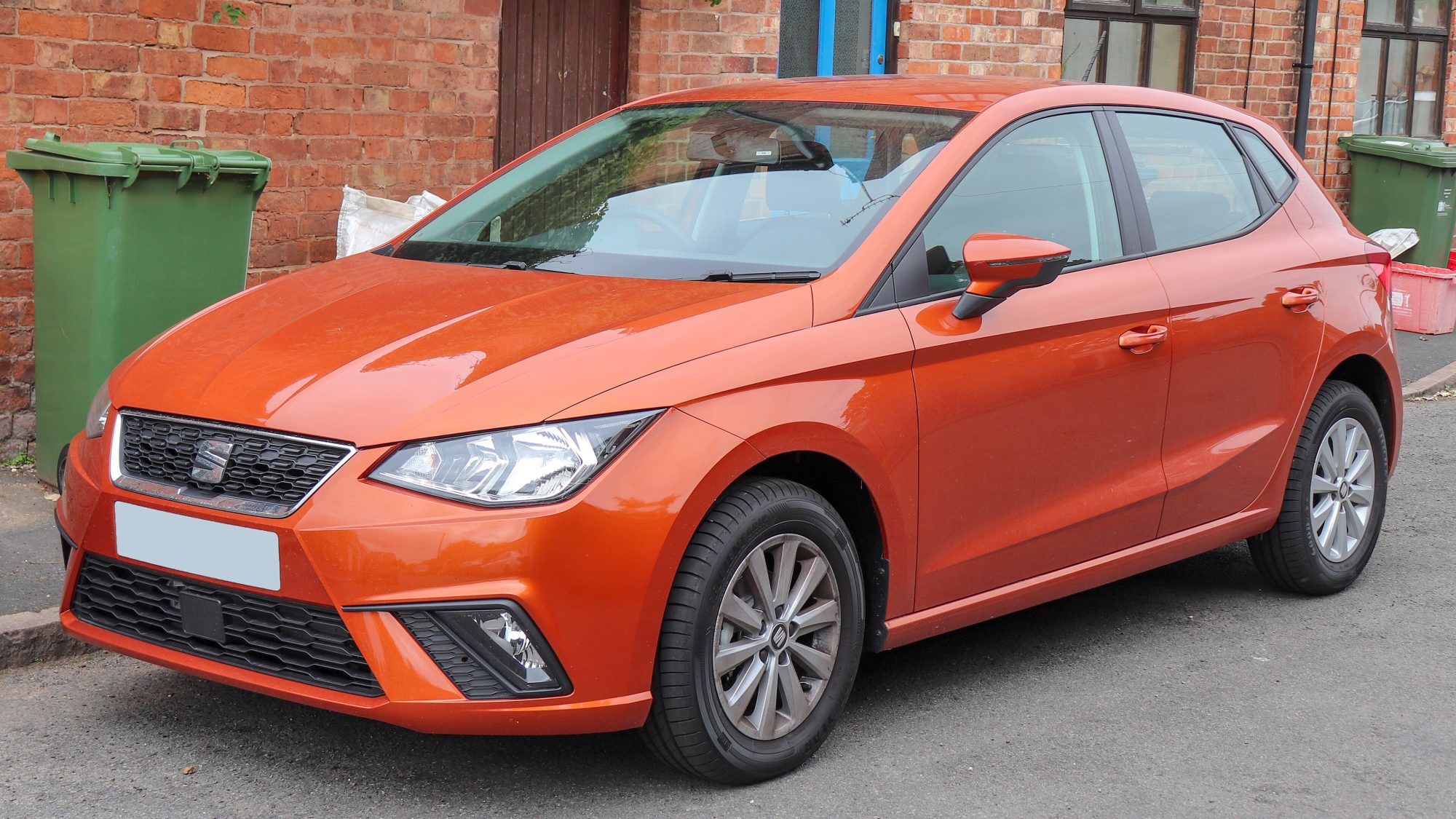

Generations
-
6L 2002–2008
PQ24; 1.2 three-cylinder, 1.4 16v, and the 1.9 TDI.
- Body styles
- Hatchback
- Platform
- PQ24
- Engines
-
- 1.2 12v — petrol · 47–51 kW (63–68 hp) · 112 Nm (83 lb-ft)
- 1.4 16v — petrol · 55–74 kW (74–99 hp) · 126–132 Nm (93–97 lb-ft)
- 1.6 petrol — petrol · 74–77 kW (99–103 hp) · 140–153 Nm (103–113 lb-ft)
- 1.8T — petrol · 110–132 kW (148–177 hp) · 220–245 Nm (162–181 lb-ft) · Cupra and Cupra R
- 1.4 TDI — diesel · 51–59 kW (68–79 hp) · 155–195 Nm (114–144 lb-ft)
- 1.9 TDI — diesel · 74–118 kW (99–158 hp) · 240–330 Nm (177–243 lb-ft)
- 1.8 turbo — petrol
- 2.0 — petrol · 85 kW (114 hp) · 170 Nm (125 lb-ft)
- 1.9 — petrol
- Transmissions
- 5-speed manual · 6-speed manual · 4-speed automatic
- Drivetrain
- Front-wheel drive
-
6J 2008–2017
The 1.2 TSI chain era; dual-clutch gearboxes appear at volume.
- Body styles
- Hatchback · Estate
- Platform
- PQ25
- Engines
-
- 1.2 TSI — petrol · 63–77 kW (84–103 hp) · 160–175 Nm (118–129 lb-ft) · shares the Fabia and Polo chain-stretch pattern
- 1.4 TSI — petrol · 103–132 kW (138–177 hp) · 220–250 Nm (162–184 lb-ft)
- 1.2 TDI — diesel · 55 kW (74 hp) · 180 Nm (133 lb-ft)
- 1.6 TDI — diesel · 66–77 kW (89–103 hp) · 230–250 Nm (170–184 lb-ft)
- 1.0 — petrol · 55–85 kW (74–114 hp)
- 1.0 turbo — petrol · 55–85 kW (74–114 hp)
- 1.2 — petrol · 44–51 kW (59–68 hp) · 108–112 Nm (80–83 lb-ft)
- 1.4 — EA111 · petrol · 63 kW (84 hp) · 132 Nm (97 lb-ft)
- 1.6 — petrol · 77 kW (103 hp) · 153 Nm (113 lb-ft)
- 1.8 turbo — petrol · 141 kW (189 hp) · 320 Nm (236 lb-ft)
- 2.0 — petrol · Mexico
- 1.4 turbo — diesel · 55–77 kW (74–103 hp) · 195–250 Nm (144–184 lb-ft)
- 1.9 turbo — diesel · 66–77 kW (89–103 hp) · 210–240 Nm (155–177 lb-ft)
- 2.0 turbo — diesel · 105 kW (141 hp) · 320 Nm (236 lb-ft)
- Transmissions
- 5-speed manual · 6-speed manual · 7-speed DSG automatic
- Drivetrain
- Front-wheel drive
-
6F 2017–present
MQB A0; petrol only in most markets, particulate filters throughout.
- Body styles
- Hatchback
- Platform
- MQB A0
- Engines
-
- 1.0 MPI — petrol · 55–85 kW (74–114 hp)
- 1.0 TSI — petrol · 55–85 kW (74–114 hp)
- 1.5 TSI — petrol · 110 kW (148 hp) · 250 Nm (184 lb-ft)
- 1.6 TDI — diesel · 59–85 kW (79–114 hp)
- 1.0 TGI CNG — CNG bi-fuel · 66 kW (89 hp) · 160 Nm (118 lb-ft)
- 1.6 — petrol
- Transmissions
- 5-speed manual · 6-speed manual · 7-speed DSG · 5/6-speed manual
- Drivetrain
- Front-wheel drive
Information, not instruction
CarGeek is a reference, not a service manual. Its pages are written from public sources and from what other people have found, never from a manufacturer's own service information, so they can be wrong or incomplete for your particular vehicle. Some of what they describe carries real risk: high voltage, fuel under pressure, stored energy, hot and moving parts.
Have anything you intend to act on checked by a trained person against the manufacturer's own procedure for your vehicle. Nothing here replaces that procedure.
Posted about the SEAT Ibiza
Be the first to write this up
Nothing posted about this yet. Whatever you found is worth writing down — even a dead end saves someone the same afternoon.
What makes one worth reading:
- The car — make, model, year and engine. The same fault behaves differently on each.
- What you measured, not only what you replaced.
- What actually fixed it — or that nothing did, which is worth knowing too.
Sign in or create an account to add what you found about SEAT Ibiza.