Vehicle
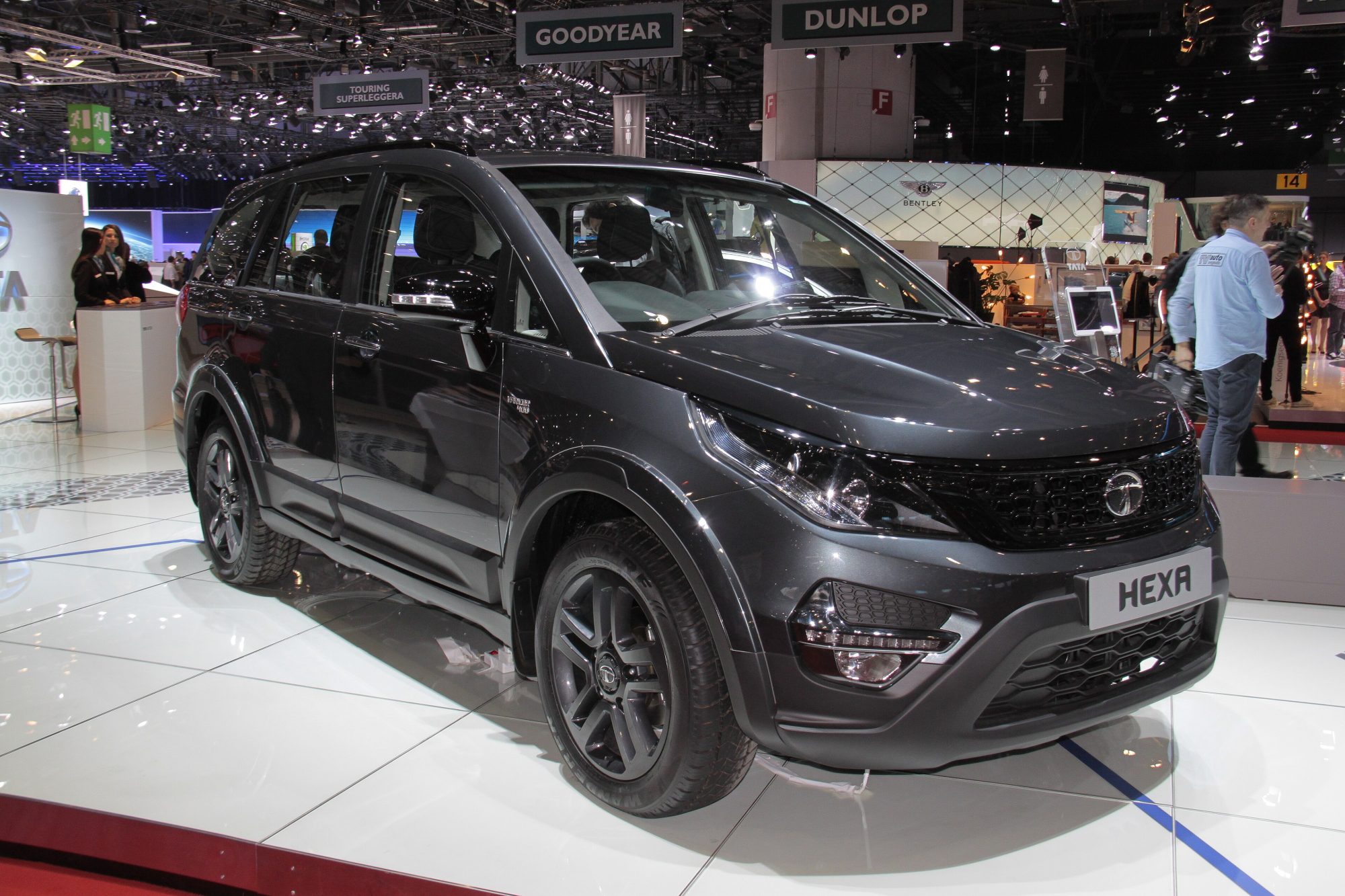
Tata Hexa
The Aria rebodied and re-engineered, and the last of Tata's ladder-adjacent large cars before the Safari name returned on a monocoque. It keeps the X2 platform and rear-wheel drive, with four-wheel drive on the upper trims, so unlike the Harrier and the 2021 Safari it has a transfer case and a driveline branch those cars simply do not have.
Its engine is the 2.2 VariCOR, which is the same physical engine as the earlier DICOR under a later badge — and, more usefully than either name, a Peugeot DW12 built in India under licence. That is the most valuable fact about the car, because French service material for the DW12 describes the same hardware and is far more plentiful than anything filed under a Tata badge.
The variable-geometry turbocharger is the recurring item, its vanes sticking with soot on cars used gently, and the symptom is a boost-control code rather than a noise. The particulate filter regenerates poorly on short urban runs, so a soot-load code here is usually a duty-cycle question rather than a component failure.
.JPG)
Generations
-
First generation 2016–2020
The Aria rebodied on X2, rear- or four-wheel drive, with the 2.2 VariCOR — a licence-built Peugeot DW12.
- Body styles
- SUV
- Platform
- Tata X2
- Engines
-
- 2.2 VariCOR — DW12 · diesel · 110–115 kW (148–154 hp) · 320–400 Nm (236–295 lb-ft) · a licence-built Peugeot DW12, so DW12 service material describes the same hardware
- Transmissions
- 5-speed manual · 6-speed manual · 6-speed GM 6L50 automatic
- Drivetrain
- Rear-wheel drive · Four-wheel drive
Information, not instruction
CarGeek is a reference, not a service manual. Its pages are written from public sources and from what other people have found, never from a manufacturer's own service information, so they can be wrong or incomplete for your particular vehicle. Some of what they describe carries real risk: high voltage, fuel under pressure, stored energy, hot and moving parts.
Have anything you intend to act on checked by a trained person against the manufacturer's own procedure for your vehicle. Nothing here replaces that procedure.
Posted about the Tata Hexa
Be the first to write this up
Nothing posted about this yet. Whatever you found is worth writing down — even a dead end saves someone the same afternoon.
What makes one worth reading:
- The car — make, model, year and engine. The same fault behaves differently on each.
- What you measured, not only what you replaced.
- What actually fixed it — or that nothing did, which is worth knowing too.
Sign in or create an account to add what you found about Tata Hexa.