Vehicle
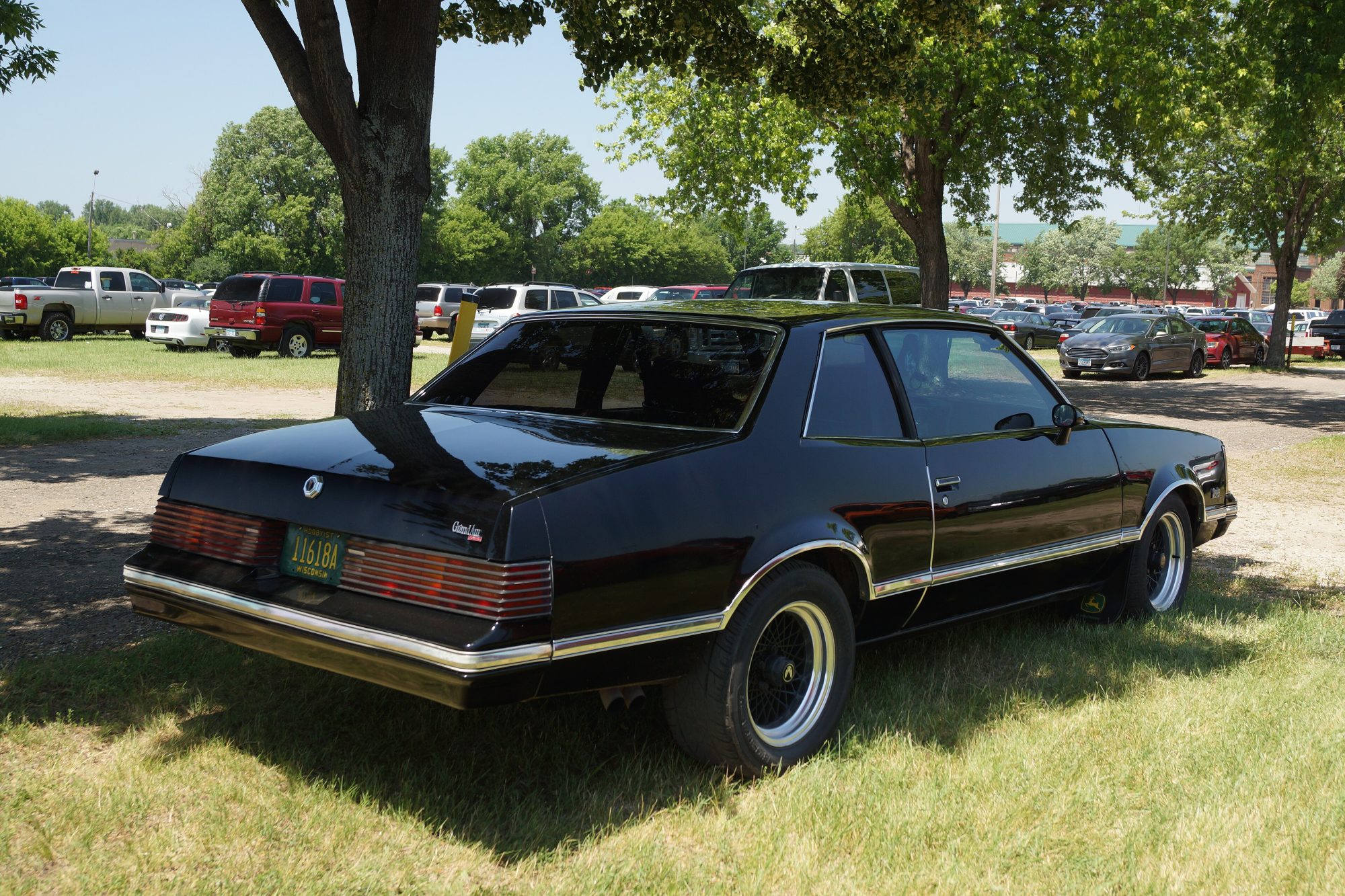
Pontiac Grand Am
The high-volume compact that preceded the G6, and the car most likely to be the oldest Pontiac somebody is still running. The 2.4 Quad 4 and the 3.4 pushrod V6 both have well-known head-gasket and intake-gasket histories, and the 3.4's lower intake gasket in particular produces coolant loss into the oil with no external sign — worth establishing before reading anything into an overheat or misfire code.

Generations
-
Fourth generation 1985–1998
The Quad 4 era, an engine with a well-known head-gasket history that presents as coolant loss with no external leak.
- Body styles
- Sedan · Coupé
- Platform
- GM N-body
- Engines
-
- 2.3 four-cylinder — LD2 · petrol · 112–135 kW (150–181 hp) · Quad 4
- 2.4 four-cylinder — LD9 · petrol
- 3.1 V6 — L82 · petrol · 251 Nm (185 lb-ft)
- 2.0 turbo — LT3 · petrol · 123 kW (165 hp) · 237 Nm (175 lb-ft)
- 2.5 — petrol · 67–82 kW (90–110 hp)
- 3.0 V6 — LN7 · petrol · 93 kW (125 hp) · 203 Nm (150 lb-ft)
- 3.3 — LG7 · petrol · 119 kW (160 hp) · 6-cylinder, US market 1992-1993
- Transmissions
- 5-speed Isuzu manual · 5-speed Getrag manual · 3-speed THM125 automatic · 3-speed 3T40 automatic · 4-speed 4T60-E automatic
- Drivetrain
- Front-wheel drive
-
Fifth generation 1999–2005
GM N platform; the 3.4's lower intake gasket leaking coolant into the oil is the failure to rule out before believing an overheat or misfire code.
- Body styles
- Sedan · Coupé
- Platform
- GM N
- Engines
-
- 2.2 Ecotec — L61 · petrol · 203 Nm (150 lb-ft)
- 2.4 Quad 4 — LD9 · petrol · 112 kW (150 hp) · 210 Nm (155 lb-ft)
- 3.4 V6 — LA1 · petrol
- Transmissions
- 5-speed Getrag F23 manual · 4-speed 4T40-E automatic · 4-speed 4T45-E automatic
- Drivetrain
- Front-wheel drive
Information, not instruction
CarGeek is a reference, not a service manual. Its pages are written from public sources and from what other people have found, never from a manufacturer's own service information, so they can be wrong or incomplete for your particular vehicle. Some of what they describe carries real risk: high voltage, fuel under pressure, stored energy, hot and moving parts.
Have anything you intend to act on checked by a trained person against the manufacturer's own procedure for your vehicle. Nothing here replaces that procedure.
Posted about the Pontiac Grand Am
Be the first to write this up
Nothing posted about this yet. Whatever you found is worth writing down — even a dead end saves someone the same afternoon.
What makes one worth reading:
- The car — make, model, year and engine. The same fault behaves differently on each.
- What you measured, not only what you replaced.
- What actually fixed it — or that nothing did, which is worth knowing too.
Sign in or create an account to add what you found about Pontiac Grand Am.