Vehicle
Ford E-Series
The full-size van, sold as the Econoline for most of its life and numbered by weight rating rather than by model — an E-150, E-250, E-350 and E-450 are one vehicle in four capacities, not four vehicles. It ran with very little change for over twenty years, which is the reason old information stays true about it. The passenger and cargo vans ended in 2014 and the Transit replaced them; the E-350 and E-450 cutaway and chassis cab are still built, and are what nearly every ambulance, box truck and shuttle bus in North America sits on — so a fault list written in 2005 still applies to a vehicle leaving the factory now.
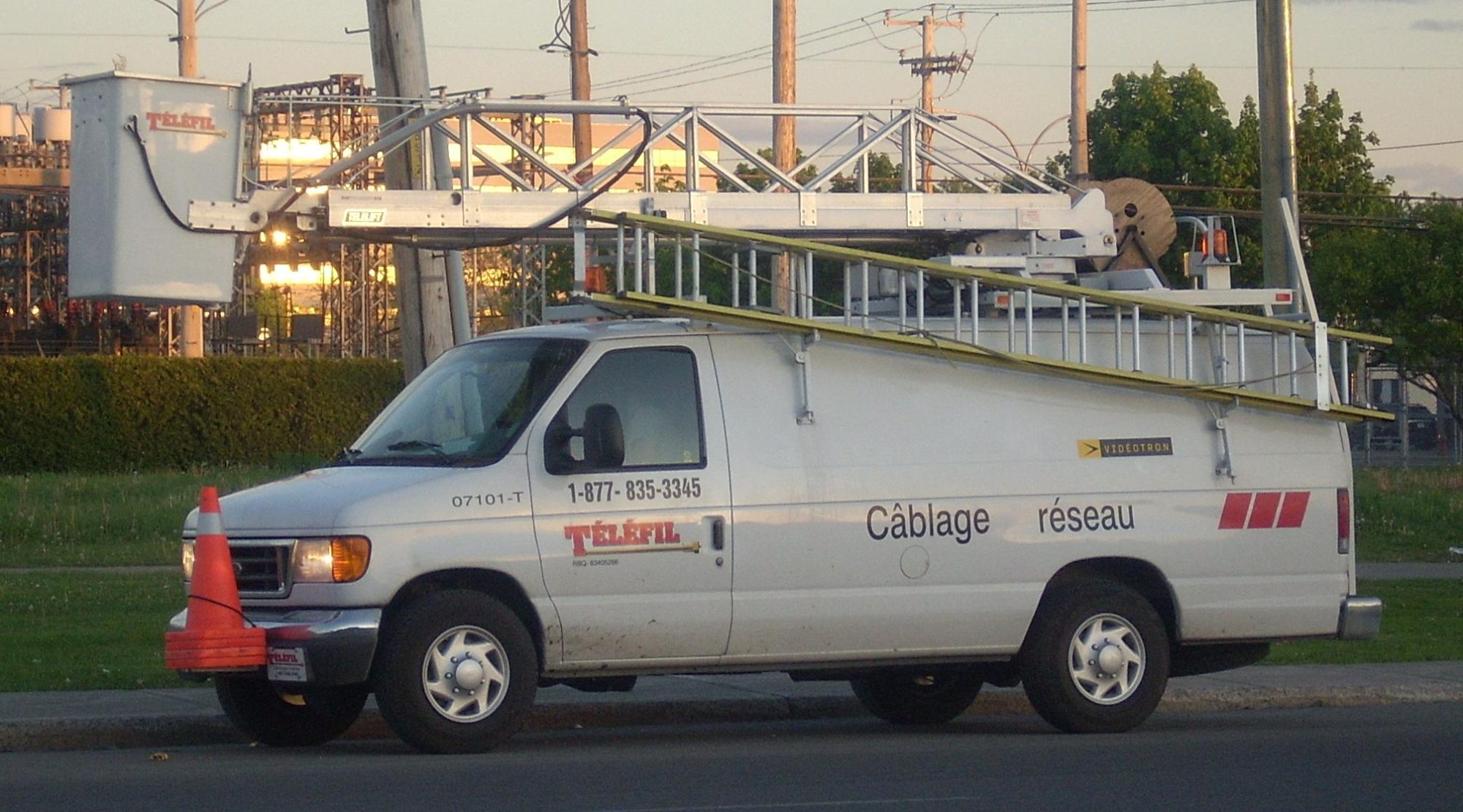

Generations
-
Fourth generation 1992–2014
One design for two decades; the engine sits under a cabin doghouse and most survivors carry a second manufacturer's body.
- Body styles
- Van · Minibus · Chassis cab
- Platform
- Ford E
- Engines
-
- 4.2 V6 — ESSEX · petrol · Essex
- 4.6 V8 — TRITON · petrol · modular
- 5.4 V8 — TRITON · petrol · modular
- 6.8 V10 — TRITON · petrol · Triton
- 7.3 Power Stroke — diesel
- 6.0 Power Stroke — diesel
- 7.3 V8 — petrol
- Transmissions
- 4-speed AOD automatic · 5-speed TorqShift automatic · 6-speed TorqShift automatic
- Drivetrain
- Rear-wheel drive
-
Fourth generation, cutaway and chassis cab 2015–present
The same van after the passenger versions ended — E-350 and E-450 cutaway and chassis-cab only, which is what nearly every ambulance, box truck and shuttle bus is built on.
- Body styles
- Cutaway · Chassis cab
- Platform
- Ford E
- Engines
-
- 6.8 V10 — TRITON · petrol · Triton, to 2021
- 7.3 V8 — petrol · Godzilla, from 2021
- Transmissions
- 6-speed automatic · 10-speed automatic
- Drivetrain
- Rear-wheel drive
Service information
Information, not instruction
CarGeek is a reference, not a service manual. Its pages are written from public sources and from what other people have found, never from a manufacturer's own service information, so they can be wrong or incomplete for your particular vehicle. Some of what they describe carries real risk: high voltage, fuel under pressure, stored energy, hot and moving parts.
Have anything you intend to act on checked by a trained person against the manufacturer's own procedure for your vehicle. Nothing here replaces that procedure.
Posted about the Ford E-Series
Be the first to write this up
Nothing posted about this yet. Whatever you found is worth writing down — even a dead end saves someone the same afternoon.
What makes one worth reading:
- The car — make, model, year and engine. The same fault behaves differently on each.
- What you measured, not only what you replaced.
- What actually fixed it — or that nothing did, which is worth knowing too.
Sign in or create an account to add what you found about Ford E-Series.