Vehicle
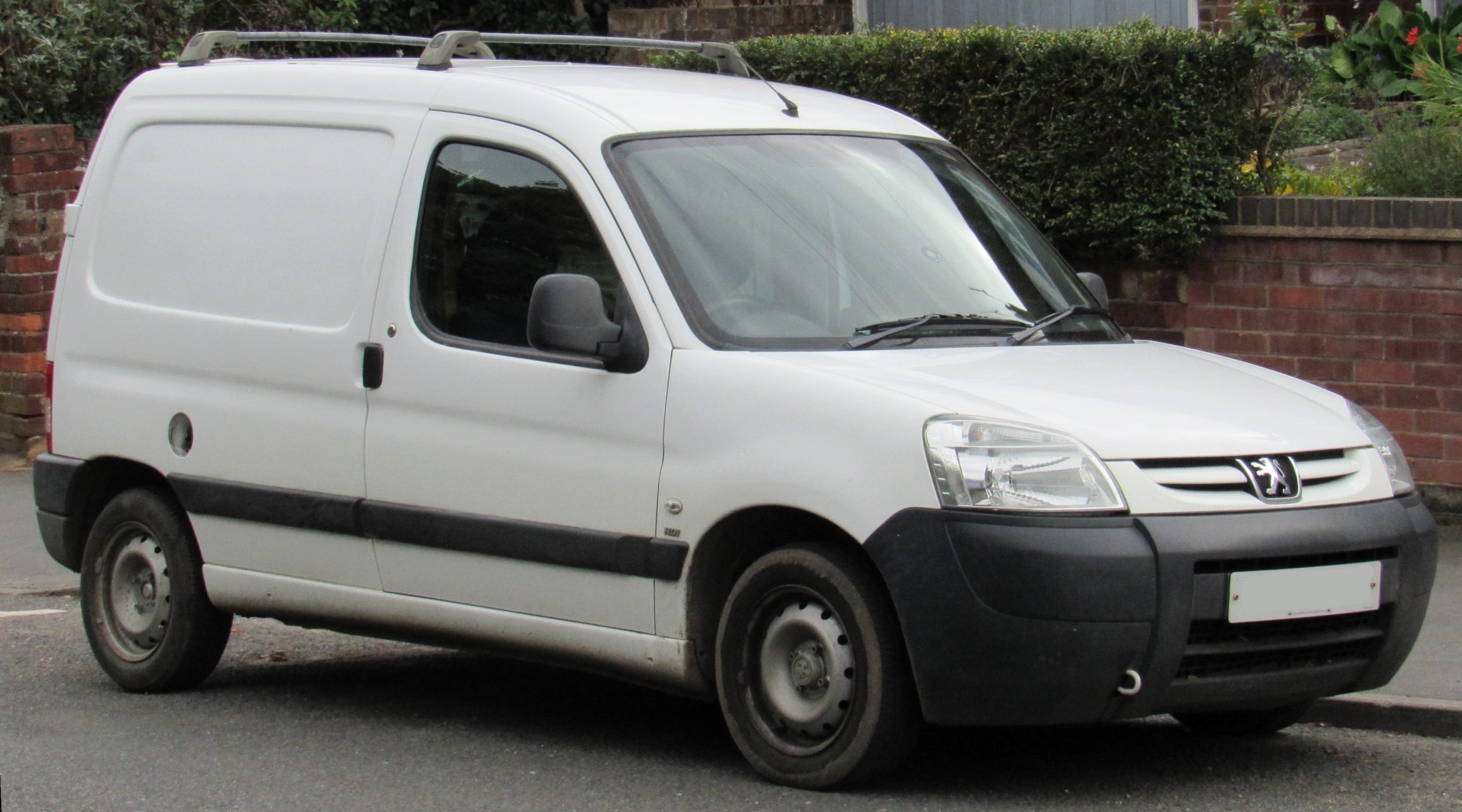
Peugeot Partner
The small van, and the same vehicle as the Citroën Berlingo throughout its life — search both, because the Berlingo name carries more written diagnosis in most markets. Sold as a panel van and as a passenger MPV (Tepee, later Rifter) with the same mechanicals and very different duty cycles, which matters for diesel after-treatment: a van doing short urban drops regenerates its particulate filter far less successfully than the same engine in a family car.

Generations
-
B9 2008–2018
PF2-derived, shared with the Berlingo; van and passenger duty cycles diverge enough to change how the particulate filter behaves.
- Body styles
- Van · MPV
- Platform
- PSA PF2
- Engines
-
- 1.6 VTi — TU5 · petrol · 85 kW (114 hp)
- 1.6 HDi — DV6 · diesel · 55–88 kW (74–118 hp)
- 1.6 BlueHDi — DV6 · diesel · 55–88 kW (74–118 hp)
- 22.5 kWh electric — electric · 49 kW (66 hp) · 200 Nm (148 lb-ft) · Partner Electric
- Transmissions
- 5-speed manual · 6-speed manual · Single-speed reduction · 6-speed automated manual
- Drivetrain
- Front-wheel drive
-
K9 2018–present
EMP2, and the passenger version takes the Rifter name; the electric arrives as a full 50 kWh rather than a converted city van.
- BlueHDi (badge, not an engine)
- DV5 (1.5 BlueHDi) 1.5 L
- DV6 (1.6 HDi) 1.6 L
- EB (PureTech, 1.0–2.0) 1.2 L
- EC5 1.6 L
- Body styles
- Van · MPV
- Platform
- PSA EMP2
- Engines
-
- 1.2 PureTech — petrol · 81–96 kW (109–129 hp) · wet timing belt
- 1.5 BlueHDi — DV5 · diesel · 75–96 kW (101–129 hp) · 250–300 Nm (184–221 lb-ft)
- 50 kWh electric — electric · e-Partner
- 1.2 turbo — EB2 · petrol · 81–96 kW (109–129 hp) · 205–230 Nm (151–170 lb-ft)
- 1.6 — EC5 · petrol · 72–88 kW (97–118 hp)
- 1.6 turbo — DV6 · diesel · 55–88 kW (74–118 hp)
- Transmissions
- 5-speed manual · 6-speed manual · Single-speed reduction · 8-speed Aisin automatic EAT8
- Drivetrain
- Front-wheel drive
Service information
Information, not instruction
CarGeek is a reference, not a service manual. Its pages are written from public sources and from what other people have found, never from a manufacturer's own service information, so they can be wrong or incomplete for your particular vehicle. Some of what they describe carries real risk: high voltage, fuel under pressure, stored energy, hot and moving parts.
Have anything you intend to act on checked by a trained person against the manufacturer's own procedure for your vehicle. Nothing here replaces that procedure.
Posted about the Peugeot Partner
Be the first to write this up
Nothing posted about this yet. Whatever you found is worth writing down — even a dead end saves someone the same afternoon.
What makes one worth reading:
- The car — make, model, year and engine. The same fault behaves differently on each.
- What you measured, not only what you replaced.
- What actually fixed it — or that nothing did, which is worth knowing too.
Sign in or create an account to add what you found about Peugeot Partner.