Vehicle
Toyota Prius
The car the P0Axx hybrid block was effectively written about: the highest-volume hybrid drivetrain in history. Battery state-of-charge, contactor, isolation and inverter codes that read as exotic elsewhere are routine here — and routinely misquoted for a new battery when the corpus's deterioration pages say otherwise.

Generations
-
XW20 2003–2009
The generation that made P0A80 famous; module-level battery repair is a cottage industry on these.
- Body styles
- Liftback
- Platform
- Toyota MC
- Engines
-
- 1.5 hybrid — 1NZ-FXE · hybrid · 43–57 kW (58–76 hp) · 102–115 Nm (75–85 lb-ft)
- 57 kW electric — electric · 57 kW (76 hp) @ 5000 rpm
- Transmissions
- e-CVT · 1-speed planetary gear
- Drivetrain
- Front-wheel drive
-
XW30 2009–2015
1.8 2ZR-FXE; head-gasket failures at age can put misfire codes on what looks like a hybrid problem.
- Body styles
- Liftback
- Platform
- Toyota New MC
- Engines
-
- 1.8 hybrid — 2ZR-FXE · hybrid · 142 Nm (105 lb-ft)
- 1.8 plug-in hybrid — plug-in hybrid · Prius PHV
- Transmissions
- e-CVT · 1-speed planetary gear
- Drivetrain
- Front-wheel drive
-
XW50 2015–2022
TNGA platform, lithium packs in some trims — battery chemistry now varies within one generation.
- Body styles
- Liftback
- Platform
- Toyota TNGA-C
- Engines
-
- 1.8 hybrid — 2ZR-FXE · hybrid · 72 kW (97 hp) · 142 Nm (105 lb-ft)
- 1.8 plug-in hybrid — plug-in hybrid · Prius Prime
- Transmissions
- e-CVT
- Drivetrain
- Front-wheel drive · Four-wheel drive
-
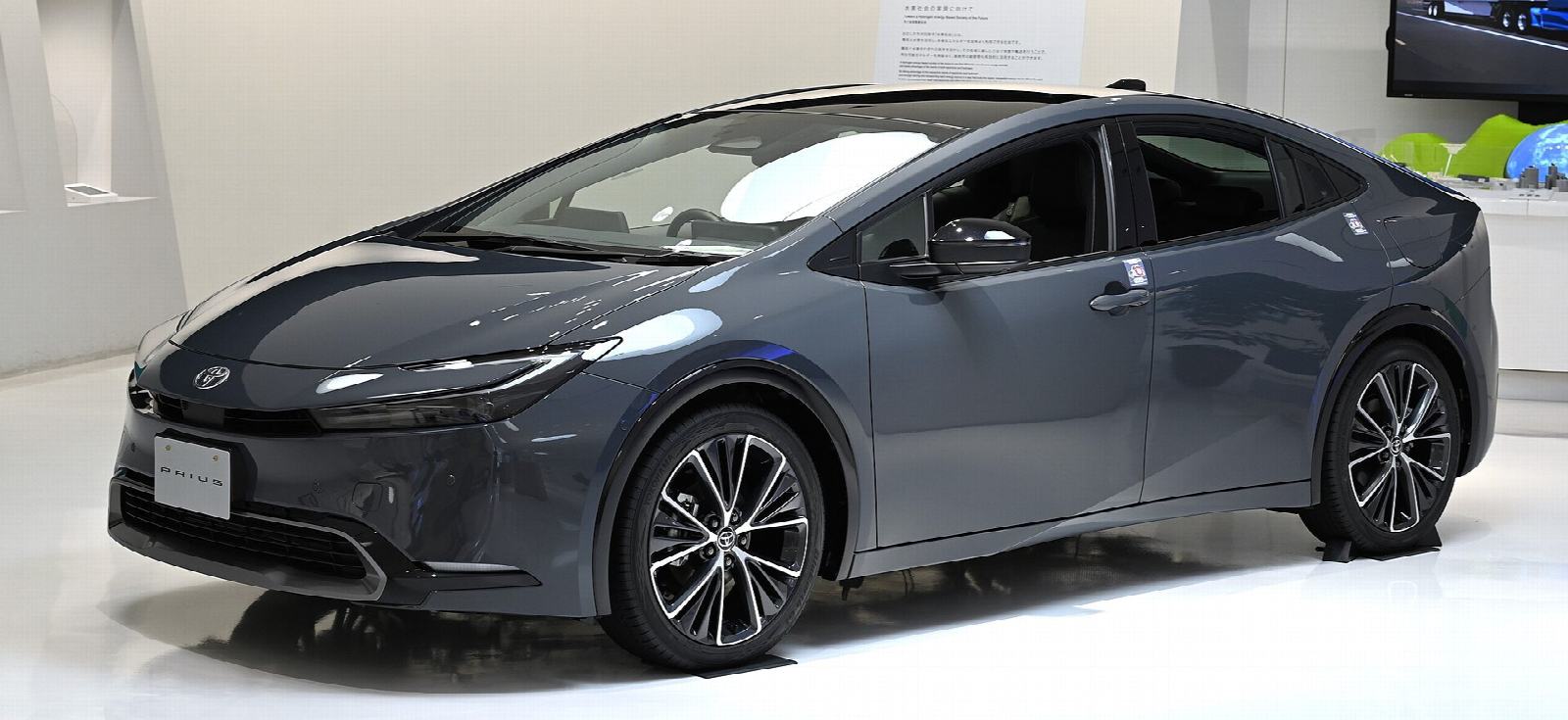
XW60 2023–present
The fifth generation, substantially more powerful.
- Body styles
- Liftback
- Platform
- Toyota TNGA-C
- Engines
-
- 1.8 hybrid — 2ZR-FXE · hybrid · 142 Nm (105 lb-ft)
- 2.0 hybrid — M20A-FXS · hybrid · 188 Nm (139 lb-ft)
- 2.0 plug-in hybrid — plug-in hybrid
- Transmissions
- e-CVT
- Drivetrain
- Front-wheel drive · Four-wheel drive
CAN data
Bus databases covering this vehicle, mirrored from the open-source opendbc project.
Service information
Information, not instruction
CarGeek is a reference, not a service manual. Its pages are written from public sources and from what other people have found, never from a manufacturer's own service information, so they can be wrong or incomplete for your particular vehicle. Some of what they describe carries real risk: high voltage, fuel under pressure, stored energy, hot and moving parts.
Have anything you intend to act on checked by a trained person against the manufacturer's own procedure for your vehicle. Nothing here replaces that procedure.
Posted about the Toyota Prius
Be the first to write this up
Nothing posted about this yet. Whatever you found is worth writing down — even a dead end saves someone the same afternoon.
What makes one worth reading:
- The car — make, model, year and engine. The same fault behaves differently on each.
- What you measured, not only what you replaced.
- What actually fixed it — or that nothing did, which is worth knowing too.
Sign in or create an account to add what you found about Toyota Prius.