Vehículo
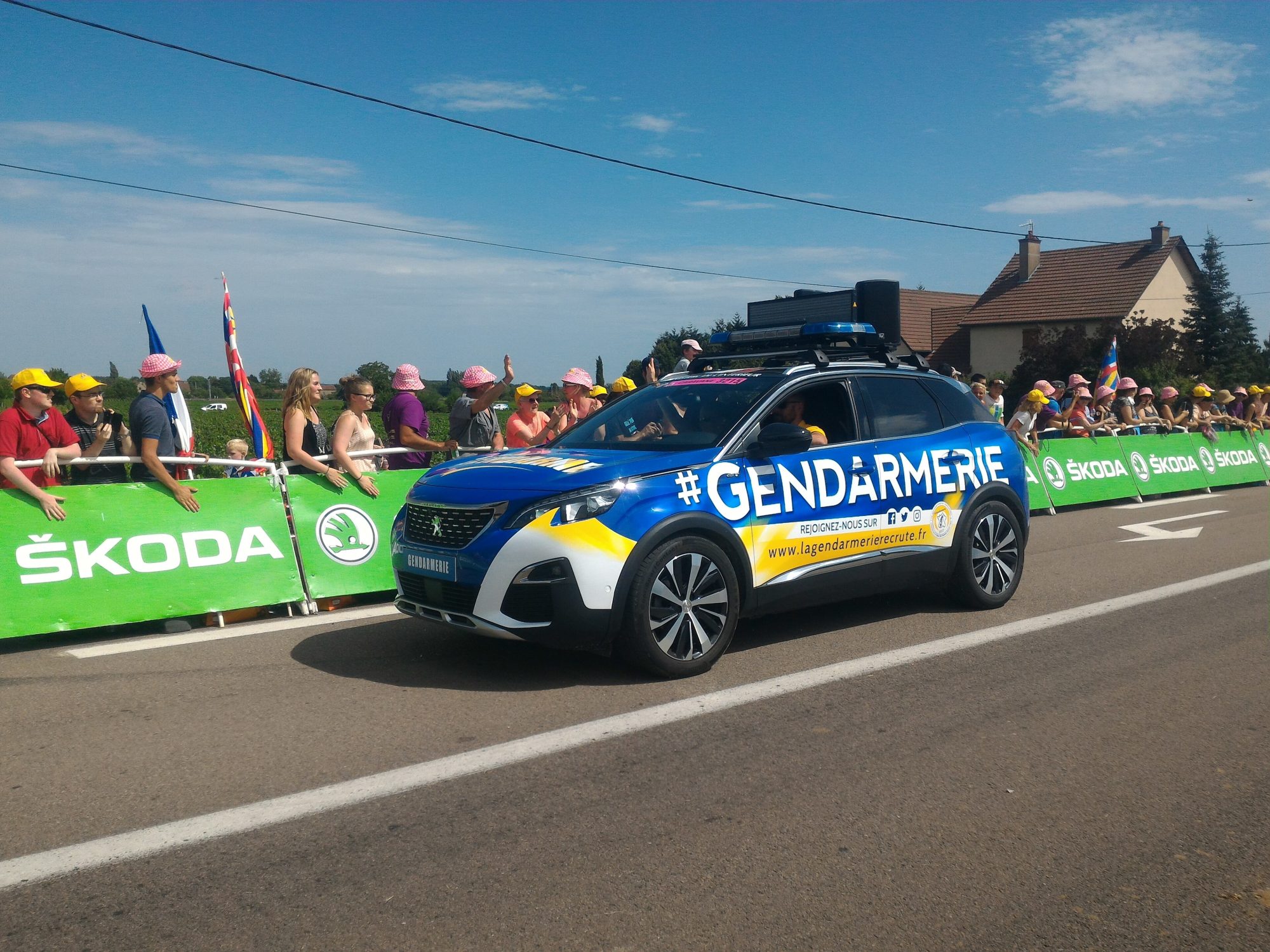
Peugeot 3008
The mid-size SUV, and after the 208 the model this catalogue most obviously lacked. The first car is an MPV rather than an SUV and is worth separating for that reason alone. The second, on EMP2, is where the Hybrid4 arrives: a petrol engine driving the front axle and an electric motor driving the rear, with no mechanical connection between the two ends. That single fact reorganises the diagnosis — a four-wheel-drive fault here is an inverter or a rear motor fault, never a propshaft or a transfer case, because neither exists.
.jpg)
Generaciones
-
First generation 2009–2016
An MPV rather than an SUV, on PF2; the diesel Hybrid4 here is the first Peugeot with an electrically driven rear axle.
- DV6 (1.6 HDi) 1.6 L
- DW10 (2.0 HDi) 2.0 L
- EB (PureTech, 1.0–2.0) 1.2 L
- Prince (EP6 / N13)
- THP (badge, not an engine)
- VTi (badge, not an engine)
- Tipos de carrocería
- MPV
- Plataforma
- PSA PF2
- Motores
-
- 1.6 VTi — EP6 · petrol · 88–121 kW (118–162 hp) · 160 Nm (118 lb-ft)
- 1.6 THP — petrol · 88–121 kW (118–162 hp) · 240 Nm (177 lb-ft)
- 1.6 HDi — DV6 · diesel · 80–88 kW (107–118 hp) · 240–300 Nm (177–221 lb-ft)
- 2.0 HDi — DW10 · diesel · 100–133 kW (134–178 hp) · 340 Nm (251 lb-ft)
- 2.0 HDi Hybrid4 — DW10 · hybrid · 66–132 kW (89–177 hp) · diesel front axle, electric rear
- 1.2 turbo — EB2 · petrol · 96 kW (129 hp) · 230 Nm (170 lb-ft)
- Transmisiones
- 5-speed manual · 6-speed manual · 6-speed automatic · ETG automated manual · 6-speed automated manual
- Tracción
- Front-wheel drive · Four-wheel drive
-
P84 2016–2023
EMP2 and a genuine SUV; the Hybrid4 plug-in drives the rear axle electrically with no mechanical link to the engine at all.
- BlueHDi (badge, not an engine)
- DV5 (1.5 BlueHDi) 1.5 L
- DV6 (1.6 HDi) 1.6 L
- DW10 (2.0 HDi) 2.0 L
- EB (PureTech, 1.0–2.0) 1.2 L
- Prince (EP6 / N13)
- Tipos de carrocería
- SUV
- Plataforma
- PSA EMP2
- Motores
-
- 1.2 PureTech — petrol · 96 kW (129 hp) · 230 Nm (170 lb-ft) · wet timing belt
- 1.6 PureTech — EP6 · petrol · 121–133 kW (162–178 hp) · 240–250 Nm (177–184 lb-ft)
- 1.5 BlueHDi — DV5 · diesel · 96 kW (129 hp) · 300 Nm (221 lb-ft)
- 2.0 BlueHDi — DW10 · diesel · 110–133 kW (148–178 hp) · 370–400 Nm (273–295 lb-ft)
- 1.6 PureTech Hybrid4 — plug-in hybrid · electric rear axle
- 1.2 turbo — EB2 · petrol · 96 kW (129 hp) · 230 Nm (170 lb-ft)
- 1.6 — DV6F · diesel · 73–88 kW (98–118 hp) · 300 Nm (221 lb-ft)
- Transmisiones
- 6-speed manual · 5-speed manual · 6-speed Aisin EAT-6 automatic · 8-speed Aisin EAT-8 automatic
- Tracción
- Front-wheel drive · Four-wheel drive
Información de servicio
Información, no instrucciones
CarGeek es una obra de referencia, no un manual de taller. Sus páginas se escriben a partir de fuentes públicas y de lo que otras personas han comprobado, nunca a partir de la documentación de servicio del fabricante, de modo que pueden ser incorrectas o incompletas para su vehículo concreto. Parte de lo que describen entraña un riesgo real: alta tensión, combustible a presión, energía acumulada y piezas calientes o en movimiento.
Antes de actuar sobre cualquier indicación, hágala verificar por una persona con formación técnica siguiendo el procedimiento propio del fabricante para su vehículo. Nada de lo que hay aquí sustituye ese procedimiento.
Publicaciones sobre el Peugeot 3008
Sé el primero en documentarlo
Todavía no se ha publicado nada sobre esto. Todo lo que haya encontrado vale la pena anotarlo — incluso un callejón sin salida le ahorra a alguien esa misma tarde.
Lo que hace que valga la pena leerlo:
- El coche — marca, modelo, año y motor. La misma avería se comporta distinto en cada uno.
- Lo que mediste, no solo lo que cambiaste.
- Qué lo solucionó de verdad — o que nada lo hizo, que también conviene saber.
Iniciar sesión o crear una cuenta para agregar lo que encontró sobre Peugeot 3008.