Veículo
Peugeot 3008
The mid-size SUV, and after the 208 the model this catalogue most obviously lacked. The first car is an MPV rather than an SUV and is worth separating for that reason alone. The second, on EMP2, is where the Hybrid4 arrives: a petrol engine driving the front axle and an electric motor driving the rear, with no mechanical connection between the two ends. That single fact reorganises the diagnosis — a four-wheel-drive fault here is an inverter or a rear motor fault, never a propshaft or a transfer case, because neither exists.
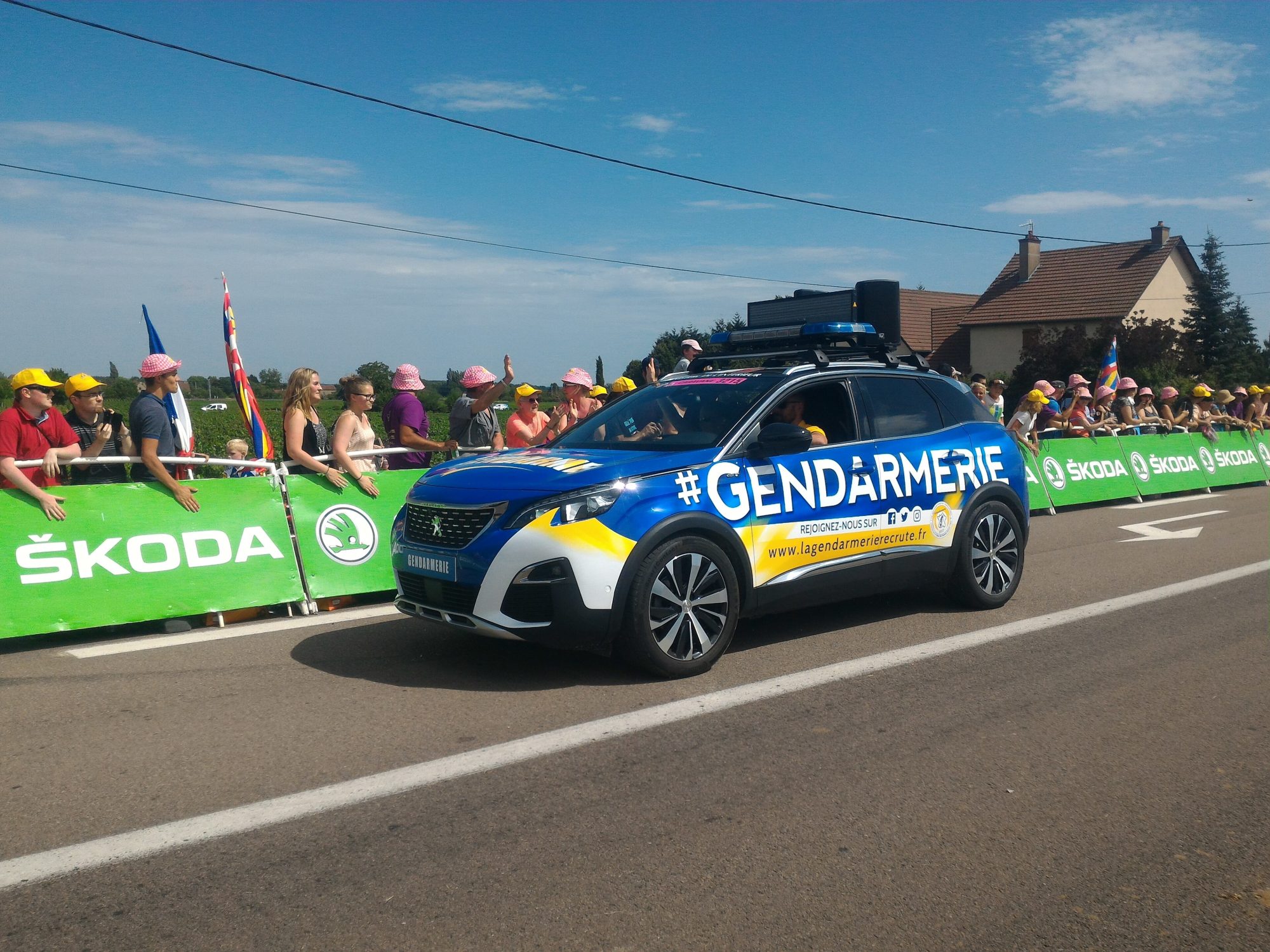
.jpg)
Gerações
-
First generation 2009–2016
An MPV rather than an SUV, on PF2; the diesel Hybrid4 here is the first Peugeot with an electrically driven rear axle.
- DV6 (1.6 HDi) 1.6 L
- DW10 (2.0 HDi) 2.0 L
- EB (PureTech, 1.0–2.0) 1.2 L
- Prince (EP6 / N13)
- THP (badge, not an engine)
- VTi (badge, not an engine)
- Carrocerias
- MPV
- Plataforma
- PSA PF2
- Motores
-
- 1.6 VTi — EP6 · petrol · 88–121 kW (118–162 hp) · 160 Nm (118 lb-ft)
- 1.6 THP — petrol · 88–121 kW (118–162 hp) · 240 Nm (177 lb-ft)
- 1.6 HDi — DV6 · diesel · 80–88 kW (107–118 hp) · 240–300 Nm (177–221 lb-ft)
- 2.0 HDi — DW10 · diesel · 100–133 kW (134–178 hp) · 340 Nm (251 lb-ft)
- 2.0 HDi Hybrid4 — DW10 · hybrid · 66–132 kW (89–177 hp) · diesel front axle, electric rear
- 1.2 turbo — EB2 · petrol · 96 kW (129 hp) · 230 Nm (170 lb-ft)
- Câmbios
- 5-speed manual · 6-speed manual · 6-speed automatic · ETG automated manual · 6-speed automated manual
- Tração
- Front-wheel drive · Four-wheel drive
-
P84 2016–2023
EMP2 and a genuine SUV; the Hybrid4 plug-in drives the rear axle electrically with no mechanical link to the engine at all.
- BlueHDi (badge, not an engine)
- DV5 (1.5 BlueHDi) 1.5 L
- DV6 (1.6 HDi) 1.6 L
- DW10 (2.0 HDi) 2.0 L
- EB (PureTech, 1.0–2.0) 1.2 L
- Prince (EP6 / N13)
- Carrocerias
- SUV
- Plataforma
- PSA EMP2
- Motores
-
- 1.2 PureTech — petrol · 96 kW (129 hp) · 230 Nm (170 lb-ft) · wet timing belt
- 1.6 PureTech — EP6 · petrol · 121–133 kW (162–178 hp) · 240–250 Nm (177–184 lb-ft)
- 1.5 BlueHDi — DV5 · diesel · 96 kW (129 hp) · 300 Nm (221 lb-ft)
- 2.0 BlueHDi — DW10 · diesel · 110–133 kW (148–178 hp) · 370–400 Nm (273–295 lb-ft)
- 1.6 PureTech Hybrid4 — plug-in hybrid · electric rear axle
- 1.2 turbo — EB2 · petrol · 96 kW (129 hp) · 230 Nm (170 lb-ft)
- 1.6 — DV6F · diesel · 73–88 kW (98–118 hp) · 300 Nm (221 lb-ft)
- Câmbios
- 6-speed manual · 5-speed manual · 6-speed Aisin EAT-6 automatic · 8-speed Aisin EAT-8 automatic
- Tração
- Front-wheel drive · Four-wheel drive
Informações de serviço
Informação, não instrução
O CarGeek é uma referência, não um manual de serviço. Suas páginas são escritas a partir de fontes públicas e do que outras pessoas constataram, nunca a partir da documentação de serviço do fabricante, de modo que podem estar erradas ou incompletas para o seu veículo específico. Parte do que descrevem envolve risco real: alta tensão, combustível sob pressão, energia acumulada e peças quentes ou em movimento.
Antes de agir com base em qualquer orientação, peça a verificação de uma pessoa com formação técnica, seguindo o procedimento do próprio fabricante para o seu veículo. Nada aqui substitui esse procedimento.
Publicações sobre o Peugeot 3008
Seja o primeiro a documentar isto
Ainda não há publicações sobre isto. Vale a pena anotar tudo o que você descobriu — até um beco sem saída poupa a mesma tarde de outra pessoa.
O que faz valer a leitura:
- O carro — marca, modelo, ano e motor. A mesma falha se comporta de forma diferente em cada um.
- O que você mediu, não só o que trocou.
- O que realmente resolveu — ou que nada resolveu, o que também vale saber.
Entrar ou criar uma conta para adicionar o que você descobriu sobre Peugeot 3008.